
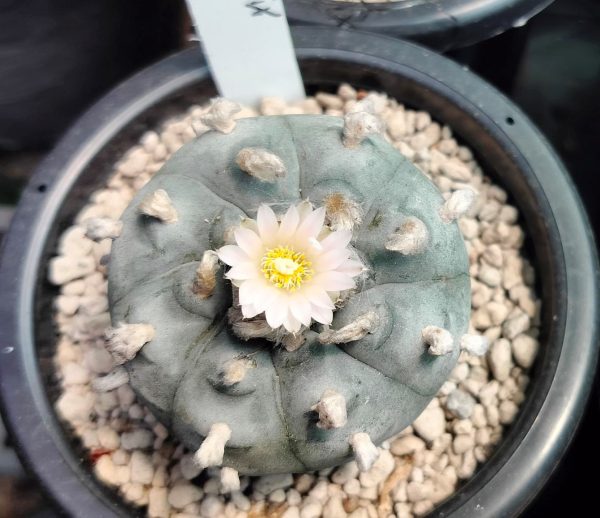
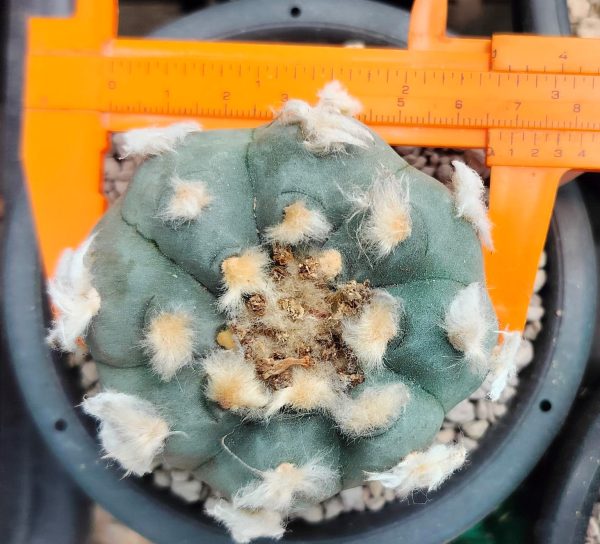
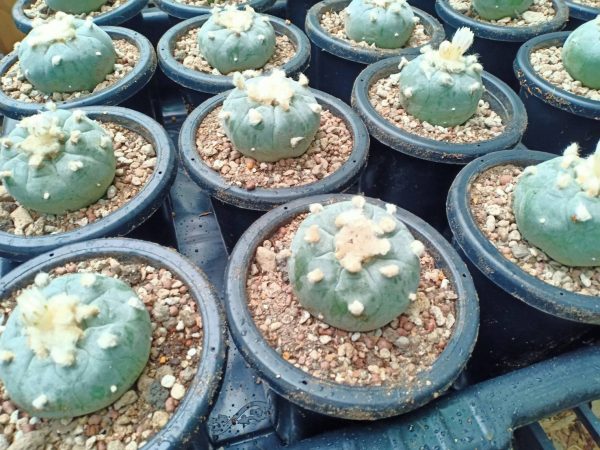
Lophophora Williamsii (Peyote Plant) is a rare, slow-growing cactus revered for its cultural history, distinctive button-like form, and delicate pink blooms. Valued by collectors and ethnobotanical researchers, peyote is appreciated for its aesthetics, heritage, and conservation importance. TrippyBloom focuses on lawful, responsible access, emphasizing education, authenticity, and sustainability.
$95.00
43 in stock
Guaranteed delivery
Free Shipping On Donations $300+
Locally sourced
Lophophora williamsii is a spineless cactus native to arid regions of northern Mexico and southern Texas. Its compact, button-shaped body, ribbed crown, and subtle woolly areoles distinguish it from many other cacti. When mature, it produces small pink to pale-white flowers followed by elongated fruits. Growth is notably slow—often measured in millimeters per year—making established specimens especially prized among collectors.
From an ethnobotanical perspective, peyote holds deep cultural significance among Indigenous peoples, where it has been used ceremonially for centuries. In modern contexts, collectors often value peyote for its botanical rarity, symmetry, and historical importance, rather than for any use that may be restricted by law. Lophophora Williamsii peyote cactus
Authentic L. williamsii is often confused with similar species. TrippyBloom emphasizes accurate identification and sourcing to prevent mislabeling and protect collectors. Lophophora Williamsii peyote cactus
Peyote’s history spans thousands of years. Archaeological evidence suggests ceremonial use long predates European contact in the Americas. Over time, peyote became interwoven with spiritual practices and communal rituals among various Indigenous groups. Today, its cultural legacy underscores why respect, legality, and conservation are paramount.
TrippyBloom approaches peyote with a heritage-first mindset, encouraging buyers to learn the story behind the plant and the responsibilities that come with stewardship. Lophophora Williamsii peyote cactus
Wild peyote populations face pressure from habitat loss and overharvesting. Ethical sourcing and cultivation (where lawful) are critical to conservation. TrippyBloom supports sustainable, traceable supply chains and discourages any practices that threaten native populations.
Key conservation principles we promote:
Laws surrounding peyote vary widely:
Because regulations change, TrippyBloom urges customers to verify current local laws before purchasing. We supply only where lawful and may restrict shipping accordingly. Lophophora Williamsii peyote cactus
Beyond legality, many collectors are drawn to peyote for:
Displayed responsibly, peyote can be a living conversation piece highlighting desert adaptation and cultural history. Lophophora Williamsii peyote cactus
Where legal to possess, peyote is known for:
Note: TrippyBloom does not provide step-by-step cultivation or use instructions in regions where such guidance could be unlawful. Educational overviews are provided strictly for botanical understanding. Lophophora Williamsii peyote cactus
Our mission is to balance curiosity with responsibility. Lophophora Williamsii peyote cactus
TrippyBloom does not encourage misuse. We promote harm-reduction, respect for Indigenous traditions, and strict legal compliance. Purchases may be limited or declined based on destination laws.
1. Is peyote legal to buy online?
Legality varies by country and region. Always verify local laws before attempting to purchase. Lophophora Williamsii peyote cactus
2. Does TrippyBloom ship peyote everywhere?
No. Shipping is restricted to locations where sale and possession are lawful.
3. Is Lophophora williamsii the same as other Lophophora species?
No. Accurate identification is important; TrippyBloom focuses on authenticity.
4. Why is peyote considered rare?
Extremely slow growth and conservation pressures contribute to its rarity. Lophophora Williamsii peyote cactus
5. Is peyote suitable as an ornamental cactus?
Where legal, many collectors value it purely for its appearance and history.
6. How fast does peyote grow?
Very slowly—often taking many years to reach modest size.
7. Does TrippyBloom support conservation?
Yes. We prioritize ethical sourcing and education. Lophophora Williamsii peyote cactus
8. Are there substitutes for peyote collectors?
Some non-restricted cacti offer similar aesthetics without legal complexity.
9. Will laws change in the future?
Regulations evolve; staying informed is essential.
10. Where can I learn more about peyote’s history?
TrippyBloom publishes educational content focused on ethnobotany and culture. Lophophora Williamsii peyote cactus
Reviews
There are no reviews yet.