
In recent years, psychedelics have re-entered the global conversation—not as counter-cultural curiosities, but as serious contenders in the field of mental health treatment. Once marginalized and misunderstood, substances like psilocybin, LSD, MDMA, and ayahuasca are now being examined through the lens of neuroscience and psychotherapy. This scientific revival is uncovering what ancient traditions and early researchers long suspected: psychedelics may hold profound potential for emotional healing and personal transformation. psychedelics for mental health
The growing body of evidence suggests that psychedelics can help address some of the most challenging mental health conditions—depression, anxiety, post-traumatic stress disorder (PTSD), and substance use disorders—by working in ways that differ fundamentally from conventional medications. Unlike daily antidepressants that modulate chemical levels over time, psychedelic-assisted therapies appear to “reset” the brain’s default patterns, allowing patients to confront and process deeply rooted emotions. Early clinical trials have shown that even a single guided session can lead to measurable, lasting improvements in mood and overall well-being. psychedelics for mental health
Beyond the lab, this movement also reflects a cultural shift toward understanding consciousness and mental wellness more holistically. People are increasingly seeking therapies that treat the mind, body, and emotional self as an integrated system. Psychedelics—when used responsibly, ethically, and under professional guidance—may bridge the gap between modern neuroscience and age-old healing wisdom.
At TrippyBloom.com, readers can learn more about this evolving field, explore trusted psychedelic products, and discover educational resources that prioritize safety, legality, and evidence-based use. Whether you’re a curious reader, a mental health professional, or someone seeking alternative approaches to well-being, understanding psychedelics’ therapeutic potential is the first step toward informed, responsible exploration. psychedelics for mental health
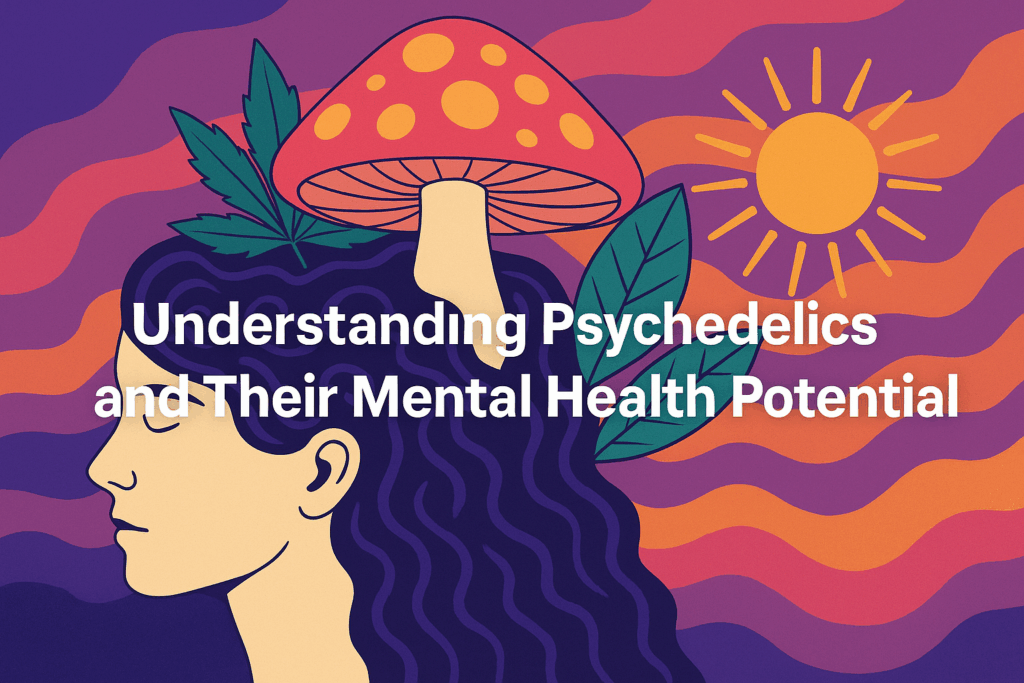
Psychedelics are a diverse group of psychoactive compounds that alter perception, mood, and cognition—often creating experiences of expanded awareness and deep emotional insight. While these substances were historically associated with spirituality and cultural rituals, they are now being revisited by modern science for their therapeutic potential in mental health care. psychedelics for mental health
At their core, psychedelics act on the serotonin 5-HT2A receptor, a key pathway involved in mood regulation, cognition, and emotional processing. This interaction can temporarily dissolve rigid patterns of thought and behavior, offering individuals a chance to confront trauma, reframe difficult emotions, and gain a renewed sense of perspective. It’s this ability to “open the mind” that has fascinated neuroscientists and psychotherapists alike.
The scientific exploration of psychedelics began in the mid-20th century, when psychiatrists used LSD and psilocybin to treat alcoholism, depression, and anxiety. Early results were promising—but by the 1970s, political and social backlash led to global prohibition and halted most clinical studies. psychedelics for mental health
Today, we are witnessing a renaissance of psychedelic research, driven by respected institutions such as Johns Hopkins University, Imperial College London, and the Multidisciplinary Association for Psychedelic Studies (MAPS). These studies are using modern imaging technologies and rigorous clinical protocols to validate what early pioneers observed decades ago: psychedelics can catalyze profound psychological healing when paired with proper guidance and integration therapy.
Several psychedelic substances are at the forefront of contemporary research, each with unique mechanisms and applications:
Collectively, these compounds are reshaping how the mental health community understands consciousness, neuroplasticity, and recovery. They’re not “magic pills,” but rather catalysts for inner work—tools that allow individuals to re-examine their stories and rediscover a sense of purpose and connection. psychedelics for mental health
As research deepens, psychedelics are beginning to bridge the gap between ancient wisdom and modern science, paving the way for new treatment paradigms that prioritize empathy, insight, and holistic well-being. For readers seeking reliable education and responsibly sourced products, TrippyBloom.com remains a trusted resource on the frontier of psychedelic-assisted mental health.
Over the past decade, clinical research has revealed that psychedelics may offer transformative benefits for mental health—often succeeding where conventional treatments fall short. These substances don’t simply mask symptoms; they appear to help people rewire the underlying thought patterns and emotional responses that drive distress, depression, trauma, and addiction. psychedelics for mental health
Unlike traditional antidepressants that may take weeks or months to show results, psychedelics can produce rapid and long-lasting changes after just one or two guided sessions. By altering brain connectivity, boosting neuroplasticity, and facilitating deep emotional breakthroughs, psychedelics create the psychological space for genuine healing.
One of the most striking findings in psychedelic science is the effect of psilocybin on depression. Studies at Johns Hopkins and Imperial College London have demonstrated that a single psilocybin-assisted therapy session can lead to significant improvements in mood, optimism, and emotional stability that last for months. psychedelics for mental health
Researchers believe psilocybin works by “resetting” the brain’s default mode network—a region linked to rumination and self-criticism—allowing individuals to view their thoughts and experiences with greater clarity and compassion. For many, this feels like a deep emotional release, a moment of insight that helps them reconnect with meaning and motivation.
Anxiety, too, often softens under psychedelic therapy. People report feeling less trapped by fear and more open to the present moment—an effect sometimes described as “mental breathing room.” Early data even suggests that psilocybin may help patients facing terminal illnesses cope with existential distress and regain peace of mind. psychedelics for mental health
For those living with post-traumatic stress disorder (PTSD), psychedelics such as MDMA have shown extraordinary promise. MDMA is unique among therapeutic compounds: it combines mild stimulant effects with an enhanced sense of empathy and emotional safety, helping individuals revisit traumatic memories without being overwhelmed.
Clinical trials sponsored by the Multidisciplinary Association for Psychedelic Studies (MAPS) revealed that MDMA-assisted psychotherapy can significantly reduce PTSD symptoms, even in veterans and survivors who had not responded to years of standard treatment. Many participants report not only fewer flashbacks and nightmares but also greater self-forgiveness and emotional resilience.
This approach is not about erasing trauma—it’s about reframing it in a safe, supported environment where healing becomes possible. psychedelics for mental health
Addiction is often rooted in disconnection, shame, and rigid behavioral loops. Psychedelics seem to interrupt these cycles by promoting neuroplasticity—the brain’s ability to form new connections and habits.
Studies involving psilocybin and ayahuasca have reported promising results for alcohol and nicotine dependence, with many participants remaining abstinent long after therapy. The experience of “ego dissolution,” where users temporarily see beyond their conditioned identities, can offer a profound sense of clarity and purpose—replacing cravings with renewed commitment to self-care and connection.
By encouraging introspection and emotional honesty, psychedelics don’t simply suppress addiction; they invite individuals to rediscover their own capacity for transformation. psychedelics for mental health
Beyond treating disorders, psychedelics can also foster a broader sense of emotional resilience—the ability to adapt, forgive, and grow from life’s challenges. Users often describe a newfound openness, creativity, and empathy that persist long after their sessions.
Neuroscientific research supports this: psychedelics appear to quiet overactive fear circuits in the amygdala while strengthening communication across regions of the brain responsible for learning and perspective-taking. This results in a more flexible, balanced mental state—one that is less reactive and more curious. psychedelics for mental health
In this way, psychedelics are not just tools for healing, but for personal evolution—a bridge between the psychological and the spiritual dimensions of well-being.
The benefits of psychedelics reach beyond symptom management. They invite a process of integration, where insights gained in the altered state are woven into daily life through therapy, journaling, and mindfulness. This integration phase transforms short-term breakthroughs into lasting change.
At TrippyBloom.com, readers can explore a growing library of educational resources on psychedelic-assisted therapy, neuroplasticity, and emotional growth. Whether you’re drawn by scientific curiosity or personal healing, understanding these benefits is an empowering step toward safe and intentional exploration. psychedelics for mental health
Psychedelic therapy represents a profound shift in how we think about mental health treatment. Instead of suppressing symptoms or chemically stabilizing brain chemistry, it focuses on unlocking the mind’s own capacity for healing. This process is both neurobiological and experiential—combining the effects of psychedelics on brain activity with structured psychotherapy and integration support.
At the biological level, psychedelics act as powerful serotonin receptor agonists, particularly on the 5-HT2A receptor. This activation temporarily alters communication between brain networks, especially the default mode network (DMN)—the system responsible for self-referential thinking, identity, and rumination. psychedelics for mental health
When the DMN “quiets down,” regions of the brain that don’t normally interact begin to communicate freely, leading to new patterns of thought, emotion, and perspective. Neuroscientists describe this as “desynchronization” or “entropy in the brain,” a state where rigid beliefs and repetitive thought loops loosen their grip.
This temporary neuroplastic window allows for profound psychological insight and emotional release. People often describe feeling as though they’ve “stepped outside themselves,” viewing their life with unprecedented clarity. The brain, in essence, becomes more flexible, allowing patients to unlearn maladaptive behaviors and rebuild healthier mental frameworks.
While the pharmacology is crucial, the context in which psychedelics are used is equally important. In therapeutic practice, this is referred to as “set and setting”—the mindset of the individual and the environment where the experience takes place. psychedelics for mental health
A calm, safe space guided by trained facilitators or therapists can significantly shape the experience and its outcomes. During a session, patients are encouraged to relax, surrender to the process, and trust what emerges emotionally or visually. Music, lighting, and intention-setting all help create a container for healing.
In clinical trials, participants are often accompanied by two trained therapists who provide reassurance and help integrate insights afterward. This combination of pharmacological effect and human connection is what transforms a psychedelic trip into a structured therapeutic journey.
The true healing potential of psychedelics often unfolds after the experience, during the process of integration. Integration refers to translating the lessons, emotions, and realizations from the session into everyday life. psychedelics for mental health
Therapists may guide patients through talk therapy, journaling, meditation, or somatic work to help them internalize new perspectives. For example, someone who confronts trauma during an MDMA-assisted session might later practice self-compassion and grounding techniques to reinforce the experience.
Without integration, even a powerful trip may fade into memory; with integration, it becomes a catalyst for transformation. Studies show that individuals who engage in structured integration practices report greater emotional stability, reduced relapse rates, and sustained improvements in mental health. psychedelics for mental health
Emerging research suggests that psychedelics don’t just induce temporary brain changes—they may stimulate long-term neuroplasticity. This means new neural pathways continue to form after the session, supporting cognitive flexibility, creativity, and adaptability.
In practical terms, this can translate into better decision-making, reduced anxiety, and improved relationships. Patients often describe feeling “rewired” in the best possible way—less reactive, more empathetic, and deeply connected to life.
Ultimately, psychedelic therapy works because it addresses the roots of mental suffering, not just its symptoms. By combining neuroscience, psychology, and compassionate guidance, it redefines what true mental wellness can look like. psychedelics for mental health
At TrippyBloom.com, you can explore more about how psychedelic therapy operates, including educational resources on integration techniques, safe practices, and upcoming research breakthroughs. Whether you’re curious about the science or seeking hope for healing, psychedelic therapy offers a glimpse into what the future of mental health may become.
As the conversation around psychedelics expands, safety and regulation remain at the heart of responsible progress. While recent studies confirm that these substances can be used safely under professional supervision, their legal status and potential risks still require careful understanding. The balance between scientific optimism and regulatory caution defines the current phase of the psychedelic renaissance. psychedelics for mental health
When administered in clinical or research environments, psychedelics such as psilocybin, LSD, and MDMA generally exhibit strong safety profiles. Most participants experience mild and short-lived side effects—such as temporary anxiety, nausea, or headaches—that resolve on their own. Importantly, these experiences are conducted under the watch of trained professionals who ensure emotional and physical safety throughout the session.
The setting makes all the difference. In guided therapy, participants are supported through intense emotional experiences and encouraged to process them rather than resist them. This structured, compassionate approach dramatically reduces the risk of psychological distress or panic. psychedelics for mental health
However, outside controlled environments, risks increase. Unsupervised or recreational use—particularly with unverified substances—can lead to overwhelming experiences or harmful interactions. Individuals with a personal or family history of psychosis, bipolar disorder, or schizophrenia are typically advised to avoid psychedelics due to potential exacerbation of symptoms.
Responsible use begins with education, preparation, and integration, all of which are central principles at TrippyBloom.com, where harm reduction and safe exploration are emphasized above all else.
As of 2025, the global regulatory environment for psychedelics is cautiously evolving. While psilocybin and MDMA remain classified as Schedule I substances under U.S. federal law—meaning they are not yet approved for general medical use—both have been granted “Breakthrough Therapy” designations by the U.S. Food and Drug Administration (FDA). psychedelics for mental health
This designation signals that early evidence shows substantial improvement over existing treatments, warranting accelerated research and review. The FDA has also released its first-ever draft guidance for psychedelic drug trials, outlining how researchers should structure studies to ensure safety, consistency, and ethical integrity.
Globally, progress continues as countries like Australia, Canada, and parts of Europe begin granting special access to psychedelic-assisted therapy under regulated medical frameworks. This cautious, step-by-step approach ensures that public health and patient safety remain priorities while allowing innovation to flourish.
Ethics play a crucial role in psychedelic medicine. The transformative nature of these experiences demands trained facilitators, clear consent, and ongoing psychological support. Without these safeguards, even well-intentioned use can result in confusion, retraumatization, or exploitation. psychedelics for mental health
Legal access varies dramatically across jurisdictions. In the United States, clinical use remains limited to approved research settings, but several cities—including Portland, Oakland, and Denver—have decriminalized possession of certain psychedelics. In Canada, licensed therapists can apply for exemptions to use psilocybin for therapeutic purposes, while in Australia, certain psychiatrists can now prescribe MDMA and psilocybin for specific conditions under strict regulations.
For anyone exploring psychedelics, understanding local laws and professional guidance is essential. At TrippyBloom.com, readers can find reliable information on emerging legal frameworks, ethical therapy practices, and links to scientific publications that promote safe, informed decision-making. psychedelics for mental health
The path toward full legalization and clinical integration is still unfolding. Regulators, scientists, and advocates share a common goal: to ensure that psychedelics are used responsibly, backed by evidence, and guided by empathy. The excitement surrounding their therapeutic potential must always be matched with respect for their power and proper safeguards.
In this new era of mental health innovation, the message is clear—psychedelics can be safe, but only when approached with preparation, respect, and professional oversight. With continued research and transparent regulation, these once-stigmatized compounds may soon become integral tools in modern psychiatry.
For those seeking to stay informed and explore responsibly, TrippyBloom.com offers educational resources, research summaries, and access to reputable psychedelic products designed for safe and mindful use. psychedelics for mental health
The field of psychedelic medicine stands at the threshold of a transformative era. What began as cautious experimentation has evolved into a global movement backed by neuroscience, data, and a growing recognition that the mind’s healing potential extends far beyond conventional pharmacology. As research deepens and cultural acceptance expands, psychedelics are poised to redefine how we understand and treat mental illness in the coming decade.
Psychedelics are gradually transitioning from fringe therapies to mainstream medical interest. Prestigious institutions such as Harvard University, Johns Hopkins, Imperial College London, and Yale are now dedicating entire research centers to the study of psychedelics in psychiatry and neuroscience. psychedelics for mental health
Clinical results continue to impress regulators and healthcare professionals alike. For example, patients who undergo psilocybin-assisted therapy for depression or MDMA-assisted therapy for PTSD often show remission rates far higher than those achieved through traditional medications. These findings have prompted calls for integration into existing mental health systems, where psychedelics could soon complement talk therapy, mindfulness, and pharmacotherapy in a structured, holistic care model.
In the near future, clinics specializing in psychedelic-assisted psychotherapy are expected to expand rapidly, operating under medical supervision with clear ethical and safety guidelines. These centers will likely combine neuroscience-based assessment tools, immersive therapeutic design, and personalized care—blending technology with deep human connection.
The next wave of psychedelic medicine is not limited to natural compounds. Biotech startups and pharmaceutical innovators are working to refine and re-engineer psychedelics for precision dosing, shorter durations, and fewer side effects. psychedelics for mental health
Companies like Compass Pathways, MindMed, and Cybin are developing next-generation analogs of psilocybin and DMT—compounds designed to maintain therapeutic benefits while offering greater predictability in clinical settings. Researchers are also exploring non-hallucinogenic psychedelics, which aim to deliver the same neuroplastic benefits without the intense perceptual experience, potentially making them more accessible to patients who may be apprehensive about traditional psychedelic journeys.
This surge in innovation represents a bridge between ancient plant wisdom and cutting-edge neuropharmacology, aligning with the modern demand for safe, scalable, and scientifically validated mental health solutions.
As understanding grows, the future of psychedelic therapy will likely center on personalization. Every individual’s brain, trauma history, and emotional landscape are unique—and psychedelics may offer a way to tailor therapy to these specific needs. psychedelics for mental health
Advanced brain imaging, genetic profiling, and psychological assessments could soon help clinicians determine the ideal compound, dosage, and integration method for each patient. In this model, psychedelics would not replace existing treatments but instead enhance their efficacy, acting as catalysts that accelerate healing and deepen self-awareness.
Beyond clinical settings, psychedelic integration may also find a place in wellness and preventative mental health, helping people cultivate resilience, emotional intelligence, and spiritual balance in everyday life.
Public perception is evolving as research validates what many indigenous traditions have known for centuries: psychedelics, when used respectfully, can facilitate profound emotional and spiritual growth. Policymakers around the world are beginning to recognize this distinction between therapeutic use and recreational misuse. psychedelics for mental health
Countries such as Australia and Canada are already paving the way by granting limited medical access under supervision, and others—including the U.S., Portugal, and parts of the EU—are exploring reform through pilot programs and research exemptions. Over the next few years, we may witness a global framework for regulated psychedelic medicine, where education, safety, and evidence-based care drive responsible access.
As psychedelics move into the mainstream, education will be the key to ensuring their safe and ethical use. Trusted platforms like TrippyBloom.com play a vital role in this transformation by providing reliable information, harm-reduction resources, and access to verified products. psychedelics for mental health
Through blogs, guides, and community engagement, TrippyBloom helps readers stay informed about ongoing research, emerging trends, and best practices for safe exploration. The future of psychedelic medicine depends on collective responsibility—scientists, policymakers, and individuals alike working together to harness these compounds’ healing potential with wisdom and care.
Looking ahead, psychedelics are not just medicines—they’re gateways to a more compassionate, connected, and conscious approach to mental health. By bridging the gap between science and spirituality, they invite a deeper dialogue about what it means to heal and to be human. psychedelics for mental health
If current trends continue, the next decade could see a world where trauma therapy, depression treatment, and personal growth are supported by psychedelic-assisted healing—administered ethically, grounded in research, and guided by empathy.
For readers seeking to stay ahead of this transformative movement, TrippyBloom.com remains a trusted hub for education, research updates, and responsibly sourced psychedelic products that align with this new era of mental well-being.
As psychedelics gain recognition for their therapeutic potential, access to reliable information and trustworthy sources has become more important than ever. With so much noise online—from unverified sellers to misleading claims—readers deserve a platform that values education, safety, and integrity above all else. That’s where TrippyBloom.com comes in.
TrippyBloom was created to bridge the gap between scientific research and real-world access. The platform is more than a marketplace—it’s a comprehensive hub for anyone interested in exploring psychedelics responsibly. psychedelics for mental health
Visitors will find a growing library of educational guides, scientific studies, and safety resources, all designed to help individuals make informed decisions about their mental health journeys. Whether you’re new to psychedelics or an experienced psychonaut seeking quality assurance, TrippyBloom provides clarity in an often-confusing landscape.
By highlighting evidence-based data, TrippyBloom helps users understand not just what psychedelics do, but how and why they work—covering topics like neuroplasticity, emotional integration, and the therapeutic mechanisms behind compounds such as psilocybin, LSD, MDMA, and DMT. psychedelics for mental health
Quality and safety are central to the psychedelic experience. Every product featured on TrippyBloom is ethically sourced, lab-tested, and verified for purity, ensuring that users can explore these compounds without compromising their health or integrity.
The site prioritizes transparency—offering detailed descriptions, dosage guidance, and user insights—to help readers navigate products with confidence. This approach reflects the broader mission of psychedelic medicine: to promote healing through responsibility, respect, and informed choice. psychedelics for mental health
TrippyBloom’s curated product range includes options for exploration, therapy, and mindfulness—each aligned with the values of education, legality, and harm reduction. This makes it an ideal destination for those seeking to explore the benefits of psychedelics without the risks associated with the unregulated market.
Psychedelic experiences are deeply personal and should always be approached with intention and preparation. TrippyBloom encourages users to educate themselves on set and setting, dosage awareness, and post-experience integration before engaging in any journey. psychedelics for mental health
Through articles and expert insights, readers can learn how to prepare mentally and emotionally, recognize safe environments, and implement integration practices that turn fleeting insights into lasting transformation.
For individuals who wish to deepen their knowledge, TrippyBloom also provides access to external resources such as peer-reviewed studies, therapist directories, and community organizations focused on psychedelic-assisted healing.
The psychedelic renaissance is more than a trend—it’s a global movement toward compassion, connection, and mental freedom. Every day, researchers, clinicians, and individuals contribute to a growing understanding of how these ancient substances can heal modern minds. psychedelics for mental health
By joining the TrippyBloom community, readers become part of this evolution. They gain access to updates on emerging laws, therapeutic innovations, and cultural shifts shaping the future of mental wellness.
Whether your goal is emotional healing, personal growth, or scientific curiosity, TrippyBloom.com is your gateway to informed, responsible exploration.
Knowledge is the key to safe discovery. By choosing credible sources and ethical products, you empower yourself to experience psychedelics as they were meant to be—tools for insight, healing, and human transformation.
Visit TrippyBloom.com today to explore trusted psychedelic products, stay informed with the latest research, and take the next step toward an enlightened, evidence-based approach to mental health and well-being. psychedelics for mental health
Psychedelics are natural or synthetic compounds that alter perception, mood, and cognition. When used in therapeutic settings, they can help rewire neural pathways, reduce depression and anxiety, and promote emotional healing through neuroplasticity and introspection.
Yes, research from institutions like Johns Hopkins University and Imperial College London shows that psilocybin-assisted therapy can produce rapid, lasting relief from depression and anxiety—even in treatment-resistant cases—when guided by trained professionals. psychedelics for mental health
Under clinical supervision, psychedelics like psilocybin, LSD, and MDMA have strong safety profiles. Most side effects are mild and temporary, but unsupervised use or unverified products can increase risks. Always choose reputable, lab-tested sources such as TrippyBloom.com.
Laws vary by country. In 2025, psilocybin and MDMA remain investigational drugs in the U.S. but are approved for limited therapeutic use in Australia and Canada. Always verify local regulations before purchasing or using psychedelics. psychedelics for mental health
Psychedelic therapy combines controlled psychedelic doses with psychotherapy. The medicine induces a temporary change in brain connectivity, helping patients access suppressed emotions and form new mental patterns that support long-term recovery.
Each compound serves different therapeutic goals: psilocybin for depression and anxiety, MDMA for PTSD, LSD for emotional insight and creativity, and ayahuasca for trauma and addiction recovery. The best choice depends on the individual’s needs and professional guidance. psychedelics for mental health
Clinical studies show that improvements from psilocybin or MDMA therapy can last six months to a year or longer, especially when paired with integration therapy, mindfulness, and continued self-care practices.
Yes. Psychedelics like psilocybin and ayahuasca have shown potential to reduce cravings and support emotional breakthroughs that lead to sustained sobriety. They work by promoting self-reflection, forgiveness, and new neural connections. psychedelics for mental health
Preparation is essential. Set a clear intention, choose a safe environment, and ensure professional or peer support if possible. TrippyBloom provides educational resources to help you plan safely and integrate your experience afterward.
For verified, ethically sourced, and educationally supported psychedelic products, visit TrippyBloom.com. The platform offers quality assurance, harm-reduction guidance, and research-backed information for safe, informed exploration. psychedelics for mental health