Psychedelic Mushrooms Explained: Effects, Risks, Legal Status & Safer Use (2026 Guide)

psychedelic mushrooms, psychedelic mushrooms guide, psychedelic mushrooms explained, what are psychedelic mushrooms, magic mushrooms education, psilocybin mushrooms information, psilocybin effects explained, how psilocybin works in the brain, psychedelic mushrooms safety guide, psychedelic mushrooms harm reduction, psychedelic mushrooms risks, psychedelic mushrooms legality usa, psychedelic mushrooms legality canada, psychedelic mushrooms legality europe, are psychedelic mushrooms legal, psychedelic mushrooms law 2026, psilocybin mushrooms research, psychedelic mushrooms science, psychedelic mushrooms benefits research, psychedelic mushrooms mental health risks, psychedelic mushrooms anxiety risk, psychedelic mushrooms psychosis risk, psychedelic mushrooms side effects, psychedelic mushrooms dosage education, psychedelic mushrooms microdose education, psychedelic mushrooms low dose guide, psychedelic mushrooms moderate dose info, psychedelic mushrooms high dose risks, psychedelic mushrooms tolerance explained, psychedelic mushrooms interaction with antidepressants, psychedelic mushrooms ssri interaction, psychedelic mushrooms serotonin receptors, psilocybin 5-ht2a receptor, psychedelic mushrooms brain effects, psychedelic mushrooms neuroscience, psychedelic mushrooms perception changes, psychedelic mushrooms time distortion, psychedelic mushrooms visual effects, psychedelic mushrooms emotional effects, psychedelic mushrooms experience explained, psychedelic mushrooms set and setting, psychedelic mushrooms integration meaning, psychedelic mushrooms aftercare, psychedelic mushrooms therapy research, psychedelic mushrooms depression studies, psychedelic mushrooms anxiety studies, psychedelic mushrooms ptsd research, psychedelic mushrooms addiction research, psychedelic mushrooms end of life anxiety, psychedelic mushrooms clinical trials, psychedelic mushrooms vs functional mushrooms, functional mushrooms vs psychedelic mushrooms, non psychoactive mushrooms explained, psychedelic mushroom gummies legality, psychedelic mushroom chocolates legality, psychedelic mushroom edibles safety, psychedelic mushroom mislabeling risks, psychedelic mushroom lab testing, psychedelic mushroom transparency, psychedelic mushroom sourcing guide, psychedelic mushroom consumer safety, psychedelic mushroom gas station products risk, psychedelic mushroom smoke shop risk, psychedelic mushroom online myths, psychedelic mushroom legal alternatives explained, amanita vs psilocybin mushrooms, amanita muscaria vs psilocybin, psychedelic mushroom myths debunked, psychedelic mushroom facts, psychedelic mushroom beginner guide education, psychedelic mushroom harm reduction principles, psychedelic mushroom sober sitter importance, psychedelic mushroom environment safety, psychedelic mushroom mental preparation, psychedelic mushroom journaling integration, psychedelic mushroom therapy vs recreational use, psychedelic mushroom clinical vs home use, psychedelic mushroom overdose myth, psychedelic mushroom addiction potential, psychedelic mushroom long term effects, psychedelic mushroom brain plasticity research, psychedelic mushroom neuroplasticity studies, psychedelic mushroom safety checklist, psychedelic mushroom informed consent, psychedelic mushroom education website, psychedelic mushroom learning resources, psychedelic mushroom wellness trends, psychedelic mushroom 2026 guide, psychedelic mushroom usa guide, psychedelic mushroom canada guide, psychedelic mushroom europe guide, psychedelic mushroom decriminalization usa, psychedelic mushroom therapy oregon, psychedelic mushroom policy updates, psychedelic mushroom federal law usa, psychedelic mushroom canada law explained, psychedelic mushroom europe regulations, psychedelic mushroom travel laws, psychedelic mushroom possession laws, psychedelic mushroom legal risks explained, psychedelic mushroom consumer awareness, psychedelic mushroom buying safety education, psychedelic mushroom reputable sources education, psychedelic mushroom online education platform, psychedelic mushroom harm reduction blog, psychedelic mushroom science blog, psychedelic mushroom wellness education, psychedelic mushroom responsible use education, psychedelic mushroom public health guidance, psychedelic mushroom clinical screening, psychedelic mushroom contraindications, psychedelic mushroom bipolar risk, psychedelic mushroom schizophrenia risk, psychedelic mushroom cardiovascular risk, psychedelic mushroom panic attacks, psychedelic mushroom emergency help, psychedelic mushroom support resources, psychedelic mushroom crisis hotline info, psychedelic mushroom recovery support, psychedelic mushroom ethics discussion, psychedelic mushroom cultural history, psychedelic mushroom traditional use history, psychedelic mushroom modern research overview, psychedelic mushroom future research, psychedelic mushroom consumer guide usa, psychedelic mushroom consumer guide canada, psychedelic mushroom consumer guide europe, psychedelic mushroom online education usa, psychedelic mushroom online education canada, psychedelic mushroom online education europe

Introduction: Why Psychedelic Mushrooms Are Trending — and Why Caution Matters

Interest in psychedelic mushrooms has grown rapidly over the past few years. Conversations about mental health, personal growth, creativity, and alternative wellness approaches have moved from the margins into mainstream culture, and psilocybin-containing mushrooms are often at the center of that shift. Online forums, documentaries, podcasts, and emerging scientific studies have all contributed to a surge of curiosity about what these substances are, how they work, and whether they may have meaningful benefits for some people. psychedelic mushrooms

At the same time, psychedelic mushrooms are not harmless novelties. They are powerful psychoactive substances that can significantly alter perception, emotions, and judgment. Alongside curiosity and optimism, there are real considerations around legal status, psychological safety, product quality, and responsible decision-making. Misinformation, exaggerated claims, and poorly labeled products have made it harder than ever for readers to separate evidence-based information from hype.

This guide is designed to help close that gap.

At TrippyBloom, our goal is not to promote reckless use or make medical promises. Instead, we focus on education, transparency, and harm-reduction. Understanding what psychedelic mushrooms are — and just as importantly, what they are not — allows adults to make more informed, responsible choices within the limits of their local laws. Whether you are simply researching out of curiosity or trying to understand the differences between functional mushrooms and psychedelic products, accurate information is the foundation of safety. psychedelic mushrooms

It is also essential to be clear about boundaries from the start:

Important disclaimer:
This article is for educational and informational purposes only. It does not provide medical, psychological, or legal advice. Psychedelic mushrooms may be illegal in many jurisdictions, and their use can carry legal, psychological, and physical risks. Always check your local laws, consider your mental and physical health, and consult qualified healthcare professionals if you have questions or concerns. TrippyBloom does not encourage illegal activity or irresponsible use.

By grounding the discussion in science, public-health perspectives, and harm-reduction principles, this guide aims to give you a clear, balanced overview of psychedelic mushrooms — including their effects, risks, legal realities, and why responsible sourcing and education matter more than ever in 2026. psychedelic mushrooms

In the sections that follow, we’ll break down how psychedelic mushrooms work, what research is actually studying, where the real risks lie, and how informed consumers can better protect themselves in an increasingly confusing marketplace.
What Are Psychedelic (Magic) Mushrooms?

psychedelic mushrooms guide, psychedelic mushrooms explained, what are psychedelic mushrooms, magic mushrooms education, psilocybin mushrooms information, psilocybin effects explained, how psilocybin works in the brain, psychedelic mushrooms safety guide, psychedelic mushrooms harm reduction, psychedelic mushrooms risks, psychedelic mushrooms legality usa, psychedelic mushrooms legality canada, psychedelic mushrooms legality europe, are psychedelic mushrooms legal, psychedelic mushrooms law 2026, psilocybin mushrooms research, psychedelic mushrooms science, psychedelic mushrooms benefits research, psychedelic mushrooms mental health risks, psychedelic mushrooms anxiety risk, psychedelic mushrooms psychosis risk, psychedelic mushrooms side effects, psychedelic mushrooms dosage education, psychedelic mushrooms microdose education, psychedelic mushrooms low dose guide, psychedelic mushrooms moderate dose info, psychedelic mushrooms high dose risks, psychedelic mushrooms tolerance explained, psychedelic mushrooms interaction with antidepressants, psychedelic mushrooms ssri interaction, psychedelic mushrooms serotonin receptors, psilocybin 5-ht2a receptor, psychedelic mushrooms brain effects, psychedelic mushrooms neuroscience, psychedelic mushrooms perception changes, psychedelic mushrooms time distortion, psychedelic mushrooms visual effects, psychedelic mushrooms emotional effects, psychedelic mushrooms experience explained, psychedelic mushrooms set and setting, psychedelic mushrooms integration meaning, psychedelic mushrooms aftercare, psychedelic mushrooms therapy research, psychedelic mushrooms depression studies, psychedelic mushrooms anxiety studies, psychedelic mushrooms ptsd research, psychedelic mushrooms addiction research, psychedelic mushrooms end of life anxiety, psychedelic mushrooms clinical trials, psychedelic mushrooms vs functional mushrooms, functional mushrooms vs psychedelic mushrooms, non psychoactive mushrooms explained, psychedelic mushroom gummies legality, psychedelic mushroom chocolates legality, psychedelic mushroom edibles safety, psychedelic mushroom mislabeling risks, psychedelic mushroom lab testing, psychedelic mushroom transparency, psychedelic mushroom sourcing guide, psychedelic mushroom consumer safety, psychedelic mushroom gas station products risk, psychedelic mushroom smoke shop risk, psychedelic mushroom online myths, psychedelic mushroom legal alternatives explained, amanita vs psilocybin mushrooms, amanita muscaria vs psilocybin, psychedelic mushroom myths debunked, psychedelic mushroom facts, psychedelic mushroom beginner guide education, psychedelic mushroom harm reduction principles, psychedelic mushroom sober sitter importance, psychedelic mushroom environment safety, psychedelic mushroom mental preparation, psychedelic mushroom journaling integration, psychedelic mushroom therapy vs recreational use, psychedelic mushroom clinical vs home use, psychedelic mushroom overdose myth, psychedelic mushroom addiction potential, psychedelic mushroom long term effects, psychedelic mushroom brain plasticity research, psychedelic mushroom neuroplasticity studies, psychedelic mushroom safety checklist, psychedelic mushroom informed consent, psychedelic mushroom education website, psychedelic mushroom learning resources, psychedelic mushroom wellness trends, psychedelic mushroom 2026 guide, psychedelic mushroom usa guide, psychedelic mushroom canada guide, psychedelic mushroom europe guide, psychedelic mushroom decriminalization usa, psychedelic mushroom therapy oregon, psychedelic mushroom policy updates, psychedelic mushroom federal law usa, psychedelic mushroom canada law explained, psychedelic mushroom europe regulations, psychedelic mushroom travel laws, psychedelic mushroom possession laws, psychedelic mushroom legal risks explained, psychedelic mushroom consumer awareness, psychedelic mushroom buying safety education, psychedelic mushroom reputable sources education, psychedelic mushroom online education platform, psychedelic mushroom harm reduction blog, psychedelic mushroom science blog, psychedelic mushroom wellness education, psychedelic mushroom responsible use education, psychedelic mushroom public health guidance, psychedelic mushroom clinical screening, psychedelic mushroom contraindications, psychedelic mushroom bipolar risk, psychedelic mushroom schizophrenia risk, psychedelic mushroom cardiovascular risk, psychedelic mushroom panic attacks, psychedelic mushroom emergency help, psychedelic mushroom support resources, psychedelic mushroom crisis hotline info, psychedelic mushroom recovery support, psychedelic mushroom ethics discussion, psychedelic mushroom cultural history, psychedelic mushroom traditional use history, psychedelic mushroom modern research overview, psychedelic mushroom future research, psychedelic mushroom consumer guide usa, psychedelic mushroom consumer guide canada, psychedelic mushroom consumer guide europe, psychedelic mushroom online education usa, psychedelic mushroom online education canada, psychedelic mushroom online education europe

Psychedelic mushrooms — often called “magic mushrooms” — are a group of fungi that naturally contain psychoactive compounds, most notably psilocybin and its active form, psilocin. When consumed, these compounds can produce temporary but profound changes in perception, mood, thought patterns, and one’s sense of self.

More than 200 mushroom species worldwide are known to contain psilocybin. Among them, Psilocybe cubensis is the most commonly discussed and widely encountered species in modern psychedelic culture. This is largely because it is relatively easy to cultivate compared with many other psilocybin-containing mushrooms and has a long history of use in both traditional and contemporary contexts. psychedelic mushrooms

Psilocybin vs. Psilocin (In Simple Terms)

Psilocybin itself is considered a prodrug, meaning it is not strongly psychoactive until the body converts it. After ingestion, psilocybin is rapidly metabolized into psilocin, the compound that actually interacts with the brain and produces psychedelic effects. Because of this conversion process, the experience depends not only on the mushroom itself, but also on individual factors such as metabolism, body chemistry, and sensitivity.

How Psychedelic Mushrooms Are Commonly Consumed

Psychedelic mushrooms are found and used in several forms, each with slightly different characteristics:

  • Dried mushrooms – The most common format; drying helps preserve potency and makes dosing by weight more predictable (though still variable).
  • Fresh mushrooms – Contain a much higher water content, which makes weight-based comparisons to dried mushrooms unreliable. psychedelic mushrooms
  • Teas and infusions – Often used to reduce stomach discomfort and shorten onset time.
  • Edibles (such as chocolates or gummies) – Increasingly popular, but also associated with mislabeling risks in unregulated markets.

Regardless of format, the psychoactive effects come from the same underlying compounds. However, absorption speed, intensity, and duration can vary depending on preparation and individual response.

Psychedelic Mushrooms vs. Functional Mushrooms

It is important not to confuse psychedelic mushrooms with functional (non-psychoactive) mushrooms. Functional mushrooms such as lion’s mane, reishi, cordyceps, and chaga do not contain psilocybin or psilocin and do not cause hallucinations or altered states of consciousness. These mushrooms are widely legal in many countries and are commonly used in wellness products, supplements, and foods. psychedelic mushrooms

Psychedelic mushrooms, by contrast, occupy a very different legal and safety category. They are psychoactive, legally restricted in many regions, and require far more caution, education, and awareness of risk. Mixing these two categories — as some online products and marketing materials do — can lead to confusion and unsafe assumptions.

Understanding this distinction early on is critical. It helps readers avoid misleading claims, recognize the limits of legality, and approach psychedelic topics with the respect and seriousness they deserve. psychedelic mushrooms

In the next section, we’ll look more closely at how psilocybin mushrooms affect the brain, and why their effects can feel so intense, meaningful, or unpredictable depending on the person and the situation.
How Do Psilocybin Mushrooms Work in the Brain?

psychedelic mushrooms guide, psychedelic mushrooms explained, what are psychedelic mushrooms, magic mushrooms education, psilocybin mushrooms information, psilocybin effects explained, how psilocybin works in the brain, psychedelic mushrooms safety guide, psychedelic mushrooms harm reduction, psychedelic mushrooms risks, psychedelic mushrooms legality usa, psychedelic mushrooms legality canada, psychedelic mushrooms legality europe, are psychedelic mushrooms legal, psychedelic mushrooms law 2026, psilocybin mushrooms research, psychedelic mushrooms science, psychedelic mushrooms benefits research, psychedelic mushrooms mental health risks, psychedelic mushrooms anxiety risk, psychedelic mushrooms psychosis risk, psychedelic mushrooms side effects, psychedelic mushrooms dosage education, psychedelic mushrooms microdose education, psychedelic mushrooms low dose guide, psychedelic mushrooms moderate dose info, psychedelic mushrooms high dose risks, psychedelic mushrooms tolerance explained, psychedelic mushrooms interaction with antidepressants, psychedelic mushrooms ssri interaction, psychedelic mushrooms serotonin receptors, psilocybin 5-ht2a receptor, psychedelic mushrooms brain effects, psychedelic mushrooms neuroscience, psychedelic mushrooms perception changes, psychedelic mushrooms time distortion, psychedelic mushrooms visual effects, psychedelic mushrooms emotional effects, psychedelic mushrooms experience explained, psychedelic mushrooms set and setting, psychedelic mushrooms integration meaning, psychedelic mushrooms aftercare, psychedelic mushrooms therapy research, psychedelic mushrooms depression studies, psychedelic mushrooms anxiety studies, psychedelic mushrooms ptsd research, psychedelic mushrooms addiction research, psychedelic mushrooms end of life anxiety, psychedelic mushrooms clinical trials, psychedelic mushrooms vs functional mushrooms, functional mushrooms vs psychedelic mushrooms, non psychoactive mushrooms explained, psychedelic mushroom gummies legality, psychedelic mushroom chocolates legality, psychedelic mushroom edibles safety, psychedelic mushroom mislabeling risks, psychedelic mushroom lab testing, psychedelic mushroom transparency, psychedelic mushroom sourcing guide, psychedelic mushroom consumer safety, psychedelic mushroom gas station products risk, psychedelic mushroom smoke shop risk, psychedelic mushroom online myths, psychedelic mushroom legal alternatives explained, amanita vs psilocybin mushrooms, amanita muscaria vs psilocybin, psychedelic mushroom myths debunked, psychedelic mushroom facts, psychedelic mushroom beginner guide education, psychedelic mushroom harm reduction principles, psychedelic mushroom sober sitter importance, psychedelic mushroom environment safety, psychedelic mushroom mental preparation, psychedelic mushroom journaling integration, psychedelic mushroom therapy vs recreational use, psychedelic mushroom clinical vs home use, psychedelic mushroom overdose myth, psychedelic mushroom addiction potential, psychedelic mushroom long term effects, psychedelic mushroom brain plasticity research, psychedelic mushroom neuroplasticity studies, psychedelic mushroom safety checklist, psychedelic mushroom informed consent, psychedelic mushroom education website, psychedelic mushroom learning resources, psychedelic mushroom wellness trends, psychedelic mushroom 2026 guide, psychedelic mushroom usa guide, psychedelic mushroom canada guide, psychedelic mushroom europe guide, psychedelic mushroom decriminalization usa, psychedelic mushroom therapy oregon, psychedelic mushroom policy updates, psychedelic mushroom federal law usa, psychedelic mushroom canada law explained, psychedelic mushroom europe regulations, psychedelic mushroom travel laws, psychedelic mushroom possession laws, psychedelic mushroom legal risks explained, psychedelic mushroom consumer awareness, psychedelic mushroom buying safety education, psychedelic mushroom reputable sources education, psychedelic mushroom online education platform, psychedelic mushroom harm reduction blog, psychedelic mushroom science blog, psychedelic mushroom wellness education, psychedelic mushroom responsible use education, psychedelic mushroom public health guidance, psychedelic mushroom clinical screening, psychedelic mushroom contraindications, psychedelic mushroom bipolar risk, psychedelic mushroom schizophrenia risk, psychedelic mushroom cardiovascular risk, psychedelic mushroom panic attacks, psychedelic mushroom emergency help, psychedelic mushroom support resources, psychedelic mushroom crisis hotline info, psychedelic mushroom recovery support, psychedelic mushroom ethics discussion, psychedelic mushroom cultural history, psychedelic mushroom traditional use history, psychedelic mushroom modern research overview, psychedelic mushroom future research, psychedelic mushroom consumer guide usa, psychedelic mushroom consumer guide canada, psychedelic mushroom consumer guide europe, psychedelic mushroom online education usa, psychedelic mushroom online education canada, psychedelic mushroom online education europe

The effects of psychedelic mushrooms are primarily driven by how psilocybin interacts with the brain and nervous system. While the experience can feel mysterious or spiritual, researchers have a growing understanding of the biological mechanisms involved. psychedelic mushrooms

From Psilocybin to Psilocin

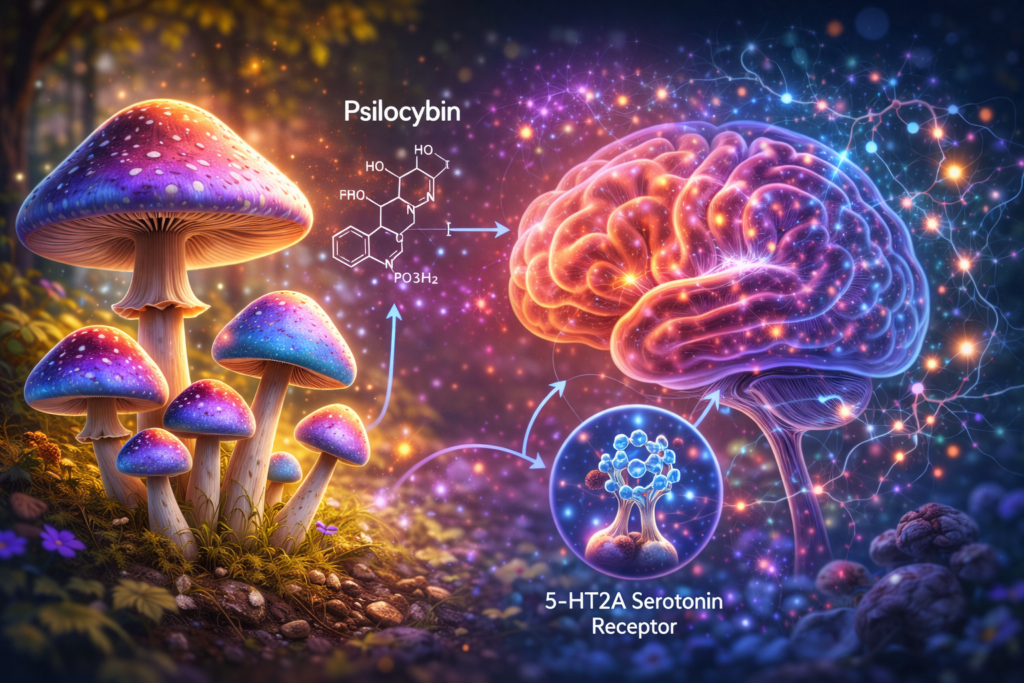
When psychedelic mushrooms are consumed, psilocybin itself is not the compound that causes the psychedelic experience. Instead, the body quickly converts psilocybin into psilocin during digestion. Psilocin is the active molecule that crosses the blood–brain barrier and begins influencing brain activity.

This conversion process is one reason why effects can vary so widely between individuals. Factors such as digestion speed, body chemistry, stomach contents, and overall health all influence how quickly and intensely psilocin takes effect. psychedelic mushrooms

Interaction With Serotonin Receptors

Psilocin primarily affects the brain by binding to serotonin receptors, especially the 5-HT2A receptor. Serotonin plays a key role in mood regulation, perception, learning, and emotional processing. When psilocin stimulates these receptors, it alters how different brain regions communicate with one another.

Modern brain-imaging studies suggest that psilocybin temporarily reduces activity in certain “default” brain networks associated with rigid thinking and habitual patterns. At the same time, it increases communication between brain regions that do not usually interact closely. This shift may help explain why users often report:

  • Enhanced or distorted visual and auditory perception
  • Heightened emotional sensitivity
  • Changes in thought patterns and associations
  • Altered sense of time
  • A reduced sense of ego or personal boundaries

These effects are not inherently positive or negative — their impact depends heavily on mindset, environment, and individual mental health. psychedelic mushrooms

Onset, Peak, and Duration

For most people, the effects of psilocybin mushrooms follow a general timeline:

  • Onset: Typically begins within 20–60 minutes after ingestion
  • Peak effects: Often occur around 2–3 hours in
  • Total duration: Usually lasts 4–6 hours, though some effects may persist longer

The exact timing can vary based on dose, mushroom potency, preparation method (for example, tea versus dried mushrooms), and personal sensitivity.

Why Experiences Can Be Unpredictable

Unlike synthetic substances with precise dosing, psychedelic mushrooms are biologically variable. Potency can differ between species, between batches, and even between individual mushrooms from the same batch. This natural variability makes exact outcomes difficult to predict. psychedelic mushrooms

In addition, psychological factors play a major role. Expectations, emotional state, stress levels, and surroundings all influence how the experience unfolds. For some, the effects may feel insightful or emotionally meaningful; for others, they can be overwhelming or distressing — especially without preparation or support.

Understanding how psilocybin works helps explain why harm-reduction guidance emphasizes preparation, conservative dosing, and safe environments rather than treating psychedelic mushrooms as casual recreational substances.

In the next section, we’ll look at commonly discussed dosing ranges for educational purposes, and why “starting low” is a core safety principle rather than a suggestion.
Common Dosing Ranges (Educational & Harm-Reduction Context Only)

psychedelic mushrooms guide, psychedelic mushrooms explained, what are psychedelic mushrooms, magic mushrooms education, psilocybin mushrooms information, psilocybin effects explained, how psilocybin works in the brain, psychedelic mushrooms safety guide, psychedelic mushrooms harm reduction, psychedelic mushrooms risks, psychedelic mushrooms legality usa, psychedelic mushrooms legality canada, psychedelic mushrooms legality europe, are psychedelic mushrooms legal, psychedelic mushrooms law 2026, psilocybin mushrooms research, psychedelic mushrooms science, psychedelic mushrooms benefits research, psychedelic mushrooms mental health risks, psychedelic mushrooms anxiety risk, psychedelic mushrooms psychosis risk, psychedelic mushrooms side effects, psychedelic mushrooms dosage education, psychedelic mushrooms microdose education, psychedelic mushrooms low dose guide, psychedelic mushrooms moderate dose info, psychedelic mushrooms high dose risks, psychedelic mushrooms tolerance explained, psychedelic mushrooms interaction with antidepressants, psychedelic mushrooms ssri interaction, psychedelic mushrooms serotonin receptors, psilocybin 5-ht2a receptor, psychedelic mushrooms brain effects, psychedelic mushrooms neuroscience, psychedelic mushrooms perception changes, psychedelic mushrooms time distortion, psychedelic mushrooms visual effects, psychedelic mushrooms emotional effects, psychedelic mushrooms experience explained, psychedelic mushrooms set and setting, psychedelic mushrooms integration meaning, psychedelic mushrooms aftercare, psychedelic mushrooms therapy research, psychedelic mushrooms depression studies, psychedelic mushrooms anxiety studies, psychedelic mushrooms ptsd research, psychedelic mushrooms addiction research, psychedelic mushrooms end of life anxiety, psychedelic mushrooms clinical trials, psychedelic mushrooms vs functional mushrooms, functional mushrooms vs psychedelic mushrooms, non psychoactive mushrooms explained, psychedelic mushroom gummies legality, psychedelic mushroom chocolates legality, psychedelic mushroom edibles safety, psychedelic mushroom mislabeling risks, psychedelic mushroom lab testing, psychedelic mushroom transparency, psychedelic mushroom sourcing guide, psychedelic mushroom consumer safety, psychedelic mushroom gas station products risk, psychedelic mushroom smoke shop risk, psychedelic mushroom online myths, psychedelic mushroom legal alternatives explained, amanita vs psilocybin mushrooms, amanita muscaria vs psilocybin, psychedelic mushroom myths debunked, psychedelic mushroom facts, psychedelic mushroom beginner guide education, psychedelic mushroom harm reduction principles, psychedelic mushroom sober sitter importance, psychedelic mushroom environment safety, psychedelic mushroom mental preparation, psychedelic mushroom journaling integration, psychedelic mushroom therapy vs recreational use, psychedelic mushroom clinical vs home use, psychedelic mushroom overdose myth, psychedelic mushroom addiction potential, psychedelic mushroom long term effects, psychedelic mushroom brain plasticity research, psychedelic mushroom neuroplasticity studies, psychedelic mushroom safety checklist, psychedelic mushroom informed consent, psychedelic mushroom education website, psychedelic mushroom learning resources, psychedelic mushroom wellness trends, psychedelic mushroom 2026 guide, psychedelic mushroom usa guide, psychedelic mushroom canada guide, psychedelic mushroom europe guide, psychedelic mushroom decriminalization usa, psychedelic mushroom therapy oregon, psychedelic mushroom policy updates, psychedelic mushroom federal law usa, psychedelic mushroom canada law explained, psychedelic mushroom europe regulations, psychedelic mushroom travel laws, psychedelic mushroom possession laws, psychedelic mushroom legal risks explained, psychedelic mushroom consumer awareness, psychedelic mushroom buying safety education, psychedelic mushroom reputable sources education, psychedelic mushroom online education platform, psychedelic mushroom harm reduction blog, psychedelic mushroom science blog, psychedelic mushroom wellness education, psychedelic mushroom responsible use education, psychedelic mushroom public health guidance, psychedelic mushroom clinical screening, psychedelic mushroom contraindications, psychedelic mushroom bipolar risk, psychedelic mushroom schizophrenia risk, psychedelic mushroom cardiovascular risk, psychedelic mushroom panic attacks, psychedelic mushroom emergency help, psychedelic mushroom support resources, psychedelic mushroom crisis hotline info, psychedelic mushroom recovery support, psychedelic mushroom ethics discussion, psychedelic mushroom cultural history, psychedelic mushroom traditional use history, psychedelic mushroom modern research overview, psychedelic mushroom future research, psychedelic mushroom consumer guide usa, psychedelic mushroom consumer guide canada, psychedelic mushroom consumer guide europe, psychedelic mushroom online education usa, psychedelic mushroom online education canada, psychedelic mushroom online education europe

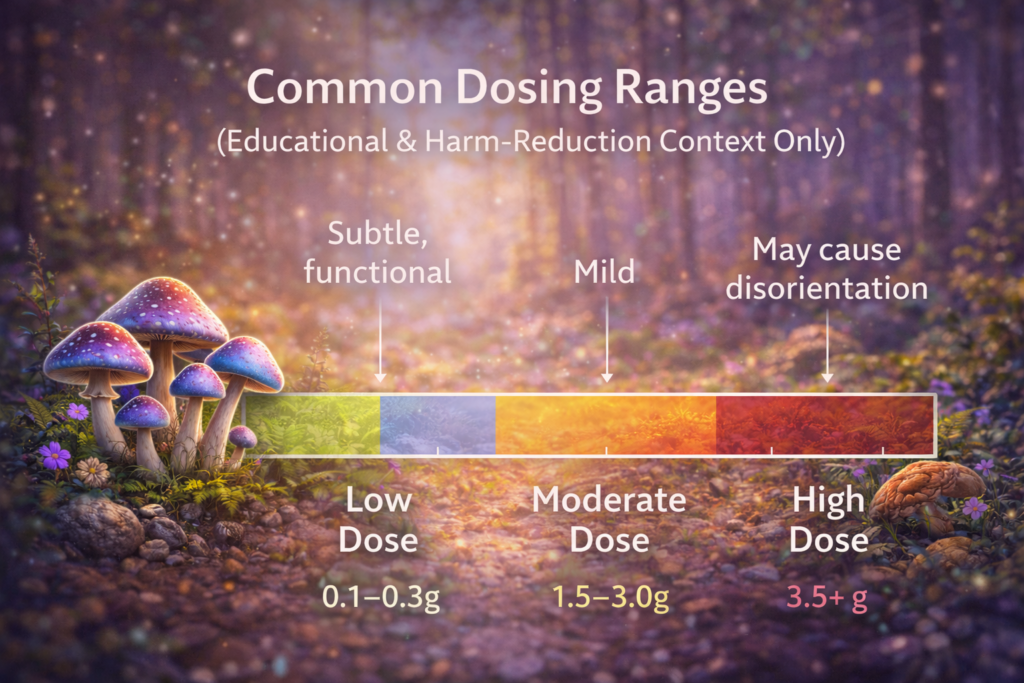
Before discussing dose ranges, it’s important to be very clear about intent. This section is for education and harm-reduction only, not instructions or encouragement. Psychedelic mushrooms vary widely in potency, and individual reactions can differ dramatically. What feels mild for one person may be overwhelming for another. psychedelic mushrooms

Why Mushroom Dosing Is Inherently Unpredictable

Unlike regulated pharmaceutical substances, psychedelic mushrooms are a natural product. Potency can vary based on:

  • Mushroom species and strain
  • Growing conditions
  • Drying and storage methods
  • Age of the material
  • Individual metabolism and sensitivity

Because of this variability, dosing based on weight is always an approximation, not a guarantee of a specific outcome.

Commonly Described Educational Dose Categories

(Based on average-potency dried Psilocybe cubensis*, as referenced in harm-reduction literature)*

  • Microdose (≈ 0.1–0.25 g dried):
    Typically described as sub-perceptual or very subtle. Users often report minimal to no noticeable sensory changes, though some describe slight shifts in mood or focus. Microdosing is not intended to produce hallucinations. psychedelic mushrooms
  • Low dose (≈ 0.25–1 g dried):
    May produce mild changes in perception, mood, or sensory awareness. Visual effects are usually limited, but emotional sensitivity and introspection can increase.
  • Moderate dose (≈ 1–2.5 g dried):
    Often associated with clearly noticeable psychedelic effects, including visual patterning, altered thought processes, intensified emotions, and changes in time perception.
  • High dose (≈ 2.5–5 g+ dried):
    Commonly linked to intense visual effects, profound changes in consciousness, and experiences sometimes described as “ego dissolution.” These doses carry a significantly higher risk of anxiety, confusion, panic, and psychological distress, especially without preparation or support. psychedelic mushrooms

Again, these categories are general reference points, not recommendations.

Why “Start Low and Go Slow” Matters

One of the most widely accepted harm-reduction principles is to start with the lowest possible amount, especially when:

  • Trying a new batch or product
  • Lacking prior experience
  • Being unsure of potency or sourcing
  • Being in a new or unfamiliar environment

Because psilocybin effects take time to fully develop, taking more too quickly can lead to unexpectedly intense experiences that are difficult to manage once underway. psychedelic mushrooms

Individual Sensitivity Matters More Than Numbers

Factors that strongly influence response include:

  • Mental and emotional state at the time of use
  • Stress levels and expectations
  • Body weight and metabolism
  • Prior experience with psychedelics
  • Current medications

Two people consuming the same amount may have completely different experiences.

Understanding dose ranges in context helps reinforce why psychedelic mushrooms require respect, patience, and caution — not impulsive experimentation. This perspective also explains why clinical research settings use careful screening, measured doses, and professional supervision rather than relying on casual, unsupervised use. psychedelic mushrooms

What Research Is Exploring About Potential Benefits

Modern interest in psychedelic mushrooms is closely tied to a growing body of scientific research examining psilocybin in controlled clinical settings. Over the past decade, universities, hospitals, and research institutions have begun revisiting psychedelics after many years of regulatory restriction, focusing on whether these compounds may have therapeutic value when used responsibly under professional supervision.

Areas of Active Scientific Study

Clinical and translational research has explored psilocybin-assisted therapy in several areas, including:

  • Treatment-resistant depression, where standard antidepressants have failed
  • End-of-life anxiety and existential distress, particularly in patients with serious or terminal illness. psychedelic mushrooms
  • Substance-use disorders, such as alcohol or tobacco dependence
  • Post-traumatic stress symptoms, explored cautiously in early-stage research

In these studies, psilocybin is not used casually. Participants are carefully screened, prepared psychologically, monitored during sessions, and supported afterward through structured integration.

How Clinical Use Differs From At-Home Use

One of the most important distinctions readers need to understand is that clinical research settings are not comparable to unsupervised personal use.

In research trials:

  • Psilocybin doses are precisely measured, often using synthesized psilocybin rather than whole mushrooms
  • Participants undergo mental-health screening to reduce risk
  • Sessions take place in controlled, calm environments
  • Trained professionals provide psychological support before, during, and after the experience
  • Integration sessions help participants process insights and emotions afterward

Because of these safeguards, research outcomes cannot be assumed to translate directly to recreational or unsupervised settings. psychedelic mushrooms

Promising Results — With Important Limits

Some studies have reported significant and lasting improvements in mood and outlook for certain participants. However, researchers consistently emphasize several critical caveats:

  • Benefits are not guaranteed
  • Responses vary widely between individuals
  • Psychological distress can still occur, even in clinical environments
  • Results depend heavily on preparation, mindset, and post-experience integration

This is why reputable researchers avoid framing psilocybin as a “cure” or universal solution. Instead, it is studied as a potential tool that may help some individuals under specific conditions. psychedelic mushrooms

Avoiding Overhyped Claims

Online discussions and marketing materials often blur the line between scientific research and consumer use, sometimes suggesting that eating mushrooms alone can replicate clinical outcomes. This framing is misleading and potentially dangerous.

At TrippyBloom, educational content aims to reflect the nuanced reality of current research — acknowledging both the promise being studied and the very real limitations. Understanding this balance helps readers approach psychedelic information with curiosity and caution, rather than unrealistic expectations. psychedelic mushrooms

Risks, Side Effects, and When Psychedelic Mushrooms May Be Unsafe

While psychedelic mushrooms are often described as having low physical toxicity compared to many other substances, this does not mean they are risk-free. The most significant concerns tend to be psychological, behavioral, and situational, and they are often underestimated in casual discussions online.

Common Short-Term Side Effects

Even at lower doses, psilocybin mushrooms can produce side effects such as:

  • Nausea or stomach discomfort
  • Dizziness or lightheadedness
  • Headaches during or after the experience
  • Temporary confusion or disorientation
  • Fatigue or emotional sensitivity afterward

These effects are usually temporary, but they can be uncomfortable and distressing, especially for first-time users or those who are unprepared. psychedelic mushrooms

Psychological Risks

The most serious risks associated with psychedelic mushrooms are psychological rather than physical. Possible adverse reactions include:

  • Anxiety or panic, particularly at higher doses
  • Paranoia or fear, sometimes triggered by unfamiliar environments
  • Confusion or loss of orientation, increasing accident risk
  • Challenging emotional experiences, including resurfacing trauma

While some people describe difficult experiences as “ultimately meaningful,” others find them overwhelming or destabilizing. There is no guarantee that distress will resolve quickly or feel beneficial. psychedelic mushrooms

Who Should Avoid Psychedelic Mushrooms

Certain individuals may face elevated risk and are often excluded from clinical research, including people with:

  • A personal or family history of psychosis or schizophrenia
  • Bipolar disorder, especially type I
  • Severe anxiety disorders that are poorly managed
  • Certain cardiovascular conditions
  • A history of severe adverse reactions to psychedelics

For these individuals, psychedelic mushrooms may increase the likelihood of serious psychological harm. psychedelic mushrooms

Risk of Accidents and Injury

Because psilocybin alters perception, coordination, and judgment, there is an increased risk of:

  • Falls and physical injuries
  • Poor decision-making
  • Wandering into unsafe environments
  • Accidental harm to oneself or others

These risks are significantly higher when mushrooms are used in chaotic settings, unfamiliar places, or without sober supervision. psychedelic mushrooms

The Myth of “Safe Because It’s Natural”

A common misconception is that psychedelic mushrooms are safe simply because they are natural. In reality, natural substances can be powerful and unpredictable. Safety depends far more on preparation, environment, mental health, and accurate information than on whether a substance is plant- or fungus-based.

Recognizing these risks does not mean dismissing ongoing research or personal curiosity. Instead, it reinforces the need for realistic expectations and harm-reduction-focused education.

Critical Safety Concerns Many People Overlook

Beyond general side effects, there are specific safety hazards that consistently appear in public-health guidance but are often minimized or ignored in online discussions. Understanding these risks is essential for anyone researching psychedelic mushrooms, even from a purely educational standpoint. psychedelic mushrooms

Mushroom Misidentification Can Be Life-Threatening

One of the most serious dangers associated with psychedelic mushrooms has nothing to do with psilocybin itself. Misidentifying wild mushrooms can result in ingesting toxic species that cause severe organ damage or death.

Poisonous mushrooms may closely resemble psilocybin-containing species to the untrained eye. Some toxic varieties cause delayed symptoms, meaning a person may feel fine at first while serious internal damage is already occurring. This is why public-health authorities strongly warn against consuming wild mushrooms without expert identification. psychedelic mushrooms

Mixing Substances Increases Risk Dramatically

Combining psychedelic mushrooms with other substances can make effects far more unpredictable and dangerous. Mixing with alcohol is especially risky, as it can:

  • Increase nausea and vomiting
  • Impair judgment and coordination further
  • Raise the likelihood of accidents or injuries
  • Intensify anxiety or emotional instability

Other substances — including stimulants, sedatives, or additional psychedelics — can compound risks in ways that are difficult to anticipate. psychedelic mushrooms

Medication Interactions Are Often Ignored

Psilocybin can interact with certain medications, particularly those that affect serotonin and brain chemistry. These interactions may:

  • Reduce or alter psychedelic effects
  • Increase anxiety or confusion
  • Raise the risk of adverse psychological reactions

This is one reason clinical trials screen participants carefully and exclude individuals taking specific psychiatric medications. Ignoring medication interactions can lead to unexpected and distressing outcomes. psychedelic mushrooms

Environment and Supervision Matter More Than Most People Realize

Many negative psychedelic experiences are not caused by the substance alone, but by unsafe environments. Crowded, chaotic, or unfamiliar settings increase stress and confusion. Being alone without support can also raise the risk of panic or accidents.

Harm-reduction guidance consistently emphasizes the importance of calm surroundings and, in many cases, a trusted sober sitter who can help ensure physical safety and reassurance if anxiety arises.

Unregulated Products and Unknown Ingredients

In recent years, laboratory testing has revealed that some products marketed as “legal psychedelic mushroom” edibles contained unexpected or illegal substances. In unregulated markets, consumers may not actually know what they are ingesting. psychedelic mushrooms

This highlights why ingredient transparency, accurate labeling, and responsible sourcing are critical — and why “convenience” products found in informal retail settings can pose serious risks.

Taken together, these overlooked hazards show why psychedelic mushrooms require deliberate caution, not casual experimentation. Many of the most severe harms associated with psychedelics arise not from the compounds themselves, but from misinformation, unsafe sourcing, and poor planning.

Legal Status of Psychedelic Mushrooms — and Why It’s Often Misunderstood

One of the most confusing aspects of psychedelic mushrooms is their legal status, especially in the United States. Headlines about decriminalization, therapeutic programs, and “legal mushroom products” have led many people to believe that psilocybin is broadly legal or lightly regulated. In reality, the situation is far more complex. psychedelic mushrooms

Federal Law vs. Local Changes

Under U.S. federal law, psilocybin remains classified as a Schedule I substance. This category is reserved for drugs considered to have a high potential for abuse and no accepted medical use at the federal level. As a result, manufacturing, selling, and possessing psilocybin mushrooms is illegal under federal law.

Some states and cities have taken different approaches:

  • Certain jurisdictions have decriminalized possession, meaning enforcement is deprioritized rather than fully legalized
  • A small number of regions have created regulated therapeutic frameworks, where psilocybin may be used in licensed, supervised settings
  • These local changes do not override federal law and do not make retail sales broadly legal

This distinction is critical. Decriminalization is not the same as legalization, and therapeutic access is not the same as consumer availability. psychedelic mushrooms

Why Online Availability Can Be Misleading

Many consumers assume that if a product is sold online or appears openly in shops, it must be legal. This is a risky assumption. Psilocybin edibles such as mushroom chocolates or gummies are still widely illegal to sell under federal law, even when marketed discreetly or labeled ambiguously.

In some cases, products are advertised using vague language like “psychedelic,” “mind-expanding,” or “legal shroom alternative” without clearly stating what compounds they contain. This lack of clarity places responsibility — and risk — on the consumer. psychedelic mushrooms

Functional Mushrooms vs. Psychoactive Mushrooms (Legally Speaking)

Adding to the confusion is the legal status of functional mushrooms. Mushrooms such as lion’s mane, reishi, cordyceps, and chaga are non-psychoactive and legal in most jurisdictions. They are commonly used in supplements, beverages, and wellness products.

Psychedelic mushrooms, by contrast, are regulated entirely differently. Mixing these categories in marketing materials can make consumers believe they are purchasing a legal wellness product when they are not. psychedelic mushrooms

Why Sourcing and Transparency Matter

Recent investigations and lab testing have shown that some products sold as “legal psychedelic mushroom” candies actually contained illegal psilocybin or psilocin, or even unrelated substances that were not disclosed on the label. This raises serious concerns about mislabeling, consumer safety, and legal exposure.

From a harm-reduction standpoint, legality and transparency are inseparable. Understanding what a product actually contains — and whether it is legal where you live — is just as important as understanding its effects. psychedelic mushrooms

Staying Informed and Responsible

Because laws continue to evolve, there is no single rule that applies everywhere. Anyone researching or considering psychedelic-related products should:

  • Check local, state, and federal laws regularly
  • Be skeptical of products making unclear or exaggerated claims
  • Avoid assuming legality based on availability alone

At TrippyBloom, educational content emphasizes these realities so readers can make informed decisions grounded in law, safety, and transparency — rather than hype or assumptions.

Functional Mushrooms vs. Psychedelic Mushrooms: Why the Difference Matters

One of the most common sources of confusion in today’s mushroom marketplace is the blurred line between functional mushrooms and psychedelic mushrooms. While they are often discussed together online, these two categories are fundamentally different in terms of effects, legality, safety, and consumer expectations. psychedelic mushrooms

What Are Functional (Non-Psychoactive) Mushrooms?

Functional mushrooms are species that do not contain psilocybin or psilocin and do not produce hallucinations or altered states of consciousness. They have a long history of use in traditional wellness systems and are commonly found in modern supplements, teas, coffees, and food products.

Examples include:

  • Lion’s mane
  • Reishi
  • Cordyceps
  • Chaga
  • Turkey tail

These mushrooms are typically used for general wellness purposes such as focus, immune support, energy, or stress management. In most countries and U.S. states, functional mushrooms are legal to sell and possess, provided products meet standard food or supplement regulations. psychedelic mushrooms

What Makes Psychedelic Mushrooms Different?

Psychedelic mushrooms contain psychoactive compounds, primarily psilocybin, that directly affect brain chemistry and perception. Their effects are psychological rather than nutritional, and they carry:

  • Greater mental-health considerations
  • Significantly different legal restrictions
  • Higher risks when misused or misunderstood

Because of these differences, psychedelic mushrooms are regulated under drug laws rather than food or supplement frameworks in many jurisdictions.

How Gray-Market Products Create Confusion

Some products marketed as “mushroom gummies,” “psychedelic mushroom chocolates,” or “legal shrooms” intentionally blur these distinctions. Packaging may highlight wellness language or colorful branding while avoiding clear disclosure of active ingredients. psychedelic mushrooms

This can lead consumers to believe they are purchasing a benign functional-mushroom product when, in reality, the contents may be psychoactive, illegal, or entirely undisclosed.

From a safety perspective, this lack of clarity is a serious concern.

Why Clear Labeling and Education Are Essential

Responsible mushroom education depends on transparency. Consumers deserve to know:

  • Whether a product is functional or psychoactive
  • Exactly what compounds are present
  • Whether the product is legal in their jurisdiction
  • What risks are realistically involved

Misunderstanding these distinctions can result in unexpected psychoactive experiences, legal consequences, or health risks — especially for individuals who are not seeking or prepared for altered states of consciousness. psychedelic mushrooms

TrippyBloom’s Educational Approach

At TrippyBloom, educational content emphasizes clear differentiation between functional mushrooms and psychedelic substances. Rather than merging them under vague marketing language, the focus is on helping readers understand what they are researching, why it matters, and how to approach mushroom-related products responsibly and informed.

This clarity not only supports safer decision-making, but also builds trust in an online space where confusion is common and transparency is often lacking.

Mislabeling, Hidden Ingredients, and the Risks of the Gray Market

As interest in psychedelic mushrooms has increased, so has the number of products appearing in unregulated or semi-regulated markets. Unfortunately, this growth has been accompanied by serious concerns around mislabeling, undisclosed ingredients, and misleading marketing, creating real risks for consumers. psychedelic mushrooms

What Recent Testing Has Revealed

Independent laboratory testing and investigative reporting have shown that some products sold as “legal psychedelic mushroom” candies or edibles did not contain what their packaging claimed. In several cases, products marketed as non-psychoactive or “legal alternatives” were found to contain:

  • Psilocybin or psilocin, despite being sold in jurisdictions where these substances are illegal
  • Other psychoactive compounds not listed on the label
  • Stimulants or plant-derived substances that may interact unpredictably with the body

This lack of transparency is especially concerning because consumers often rely on labels to make decisions about safety, legality, and personal risk. psychedelic mushrooms

Why Gas-Station and Smoke-Shop Products Are Especially Risky

Products sold in convenience stores, smoke shops, or online gray markets often fall outside meaningful regulatory oversight. In these environments:

  • Ingredient lists may be incomplete or intentionally vague
  • Potency is rarely standardized
  • Batch testing is inconsistent or absent
  • There is little accountability if something goes wrong

For consumers, this means they may ingest psychoactive substances without realizing it, or consume far stronger doses than expected.

Legal and Health Consequences of Mislabeling

Mislabeling does not just create health risks — it also creates legal exposure. A person may believe they are purchasing a legal product, only to unknowingly possess or consume an illegal substance. In jurisdictions where psilocybin remains prohibited, this misunderstanding can have serious consequences. psychedelic mushrooms

From a health standpoint, unexpected psychoactive effects can be especially dangerous for individuals with mental-health vulnerabilities, those taking certain medications, or anyone unprepared for an altered state of consciousness.

Why Transparency Is a Core Harm-Reduction Principle

Harm reduction is not only about how substances are used — it also applies to how products are made, labeled, and sold. Transparent sourcing and clear ingredient disclosure help reduce:

  • Accidental ingestion of illegal or unwanted substances
  • Unexpected intensity of effects
  • Psychological distress caused by surprise psychoactivity
  • Erosion of trust in the broader wellness space

TrippyBloom’s Position on Consumer Awareness

TrippyBloom’s educational approach highlights these risks so readers understand why not all mushroom products are created equal. In a marketplace where hype can easily overshadow accuracy, informed consumers are better equipped to protect themselves. psychedelic mushrooms

Being cautious about sourcing, skeptical of vague marketing, and informed about ingredient transparency is not about fear — it’s about respecting the power of psychoactive substances and prioritizing safety over convenience.

In the next section, we’ll shift focus to safer-use and harm-reduction principles, outlining practical, evidence-informed guidance that public-health experts emphasize when discussing psychedelics.

Safer-Use and Harm-Reduction Principles

Discussions about psychedelic mushrooms are often framed in extremes — either overly enthusiastic or strictly prohibitive. Harm-reduction approaches take a different path. Rather than assuming people will never be curious, public-health and mental-health experts focus on reducing risk, preventing harm, and supporting informed decision-making. psychedelic mushrooms

Set: Mindset and Mental Readiness

“Set” refers to a person’s internal state at the time of use. Emotional wellbeing, expectations, stress levels, and unresolved personal issues can all strongly influence how a psychedelic experience unfolds.

Harm-reduction guidance commonly emphasizes:

  • Avoiding use during periods of acute stress, grief, or crisis
  • Being honest with yourself about mental health history
  • Understanding that psychedelics can intensify emotions rather than suppress them
  • Letting go of unrealistic expectations or pressure to have a “life-changing” experience

Approaching psychedelics casually or impulsively increases the likelihood of anxiety and distress. psychedelic mushrooms

Setting: Environment and Physical Safety

“Setting” refers to the physical and social environment. Psychedelics heighten sensory awareness and emotional sensitivity, making surroundings especially influential.

Safer-use recommendations include:

  • Being in a calm, familiar, and comfortable space
  • Removing physical hazards that could cause injury
  • Avoiding crowded or chaotic environments
  • Having a trusted, sober person present when possible

Many negative outcomes are linked not to the substance itself, but to unsafe or overwhelming environments. psychedelic mushrooms

Start Low and Go Slow

Because mushroom potency varies and individual sensitivity differs, conservative dosing is a cornerstone of harm reduction. Starting with the lowest possible amount and allowing sufficient time for effects to fully develop helps reduce the risk of unexpectedly intense experiences.

This principle is especially important for:

  • First-time users
  • New batches or unfamiliar products
  • Individuals unsure of their sensitivity

Patience is a safety tool, not a limitation.

Avoid Mixing Substances

Combining psychedelic mushrooms with alcohol or other drugs significantly increases unpredictability and risk. Mixing substances can intensify nausea, confusion, emotional instability, and accident risk. psychedelic mushrooms

Harm-reduction frameworks consistently advise avoiding combinations, particularly with alcohol and other psychoactive substances.

Integration: What Happens After Matters Too

The experience itself is only part of the picture. Integration refers to the process of reflecting on and making sense of thoughts or emotions that arise afterward.

Supportive integration practices may include:

  • Journaling or quiet reflection
  • Talking with a trusted friend or therapist
  • Allowing time before making major life decisions

Without integration, intense experiences can feel confusing or destabilizing rather than constructive. psychedelic mushrooms

Harm-reduction principles recognize that psychedelics are not inherently “good” or “bad.” Outcomes depend heavily on preparation, context, and follow-up. Education and realistic expectations are essential safeguards.

Mental-Health Support, Aftercare, and When to Seek Help

Even with preparation and harm-reduction practices, psychedelic experiences can sometimes be emotionally intense, confusing, or distressing. Knowing when and how to seek support is a crucial part of responsible education — and it’s often overlooked.

Normal Intensity vs. Concerning Distress

Psychedelic experiences can temporarily bring up strong emotions, vivid memories, or unfamiliar ways of thinking. In many cases, these effects fade naturally over time. However, support may be needed if someone experiences:

  • Persistent anxiety, panic, or fear that does not subside
  • Confusion or disorientation lasting well beyond the expected duration
  • Intrusive or distressing thoughts that interfere with daily life
  • Sleep disruption, mood swings, or emotional instability that continues for days or weeks

These reactions are not signs of failure or weakness — they are signals that additional care and grounding may be helpful. psychedelic mushrooms

The Role of Integration and Professional Support

Mental-health professionals increasingly emphasize the importance of integration — the process of making sense of an experience and placing it into a healthy psychological context. Integration does not require believing the experience was “good” or “bad”; it focuses on understanding what came up and how it affects wellbeing.

Helpful support options may include:

  • Speaking with a licensed therapist or counselor
  • Seeking therapists familiar with harm-reduction or psychedelic-integration frameworks
  • Talking openly with trusted friends or support networks
  • Allowing adequate time and rest before resuming normal stressors

Importantly, professional help is appropriate even if the experience was voluntary. Seeking support is a responsible response, not an admission of wrongdoing.

Crisis and Support Resources

If someone feels overwhelmed, unsafe, or at risk of harming themselves or others, immediate help is essential. In the United States, confidential support is available through SAMHSA’s 24/7 National Helpline, which provides referrals for mental-health and substance-use support. Similar services exist in many other countries. psychedelic mushrooms

Keeping these resources visible reinforces that safety extends beyond the moment of use — and that help is available when needed.

Why Education Includes Support Pathways

Responsible psychedelic education does not end with effects or legality. It includes clear guidance on support, recovery, and care. TrippyBloom’s approach emphasizes that curiosity should always be paired with awareness of mental-health resources and realistic expectations.

Understanding when to pause, reflect, or ask for help is part of making informed decisions — and it plays a vital role in reducing harm in an increasingly visible psychedelic landscape.
How TrippyBloom Approaches Education, Transparency, and Responsibility

psychedelic mushrooms guide, psychedelic mushrooms explained, what are psychedelic mushrooms, magic mushrooms education, psilocybin mushrooms information, psilocybin effects explained, how psilocybin works in the brain, psychedelic mushrooms safety guide, psychedelic mushrooms harm reduction, psychedelic mushrooms risks, psychedelic mushrooms legality usa, psychedelic mushrooms legality canada, psychedelic mushrooms legality europe, are psychedelic mushrooms legal, psychedelic mushrooms law 2026, psilocybin mushrooms research, psychedelic mushrooms science, psychedelic mushrooms benefits research, psychedelic mushrooms mental health risks, psychedelic mushrooms anxiety risk, psychedelic mushrooms psychosis risk, psychedelic mushrooms side effects, psychedelic mushrooms dosage education, psychedelic mushrooms microdose education, psychedelic mushrooms low dose guide, psychedelic mushrooms moderate dose info, psychedelic mushrooms high dose risks, psychedelic mushrooms tolerance explained, psychedelic mushrooms interaction with antidepressants, psychedelic mushrooms ssri interaction, psychedelic mushrooms serotonin receptors, psilocybin 5-ht2a receptor, psychedelic mushrooms brain effects, psychedelic mushrooms neuroscience, psychedelic mushrooms perception changes, psychedelic mushrooms time distortion, psychedelic mushrooms visual effects, psychedelic mushrooms emotional effects, psychedelic mushrooms experience explained, psychedelic mushrooms set and setting, psychedelic mushrooms integration meaning, psychedelic mushrooms aftercare, psychedelic mushrooms therapy research, psychedelic mushrooms depression studies, psychedelic mushrooms anxiety studies, psychedelic mushrooms ptsd research, psychedelic mushrooms addiction research, psychedelic mushrooms end of life anxiety, psychedelic mushrooms clinical trials, psychedelic mushrooms vs functional mushrooms, functional mushrooms vs psychedelic mushrooms, non psychoactive mushrooms explained, psychedelic mushroom gummies legality, psychedelic mushroom chocolates legality, psychedelic mushroom edibles safety, psychedelic mushroom mislabeling risks, psychedelic mushroom lab testing, psychedelic mushroom transparency, psychedelic mushroom sourcing guide, psychedelic mushroom consumer safety, psychedelic mushroom gas station products risk, psychedelic mushroom smoke shop risk, psychedelic mushroom online myths, psychedelic mushroom legal alternatives explained, amanita vs psilocybin mushrooms, amanita muscaria vs psilocybin, psychedelic mushroom myths debunked, psychedelic mushroom facts, psychedelic mushroom beginner guide education, psychedelic mushroom harm reduction principles, psychedelic mushroom sober sitter importance, psychedelic mushroom environment safety, psychedelic mushroom mental preparation, psychedelic mushroom journaling integration, psychedelic mushroom therapy vs recreational use, psychedelic mushroom clinical vs home use, psychedelic mushroom overdose myth, psychedelic mushroom addiction potential, psychedelic mushroom long term effects, psychedelic mushroom brain plasticity research, psychedelic mushroom neuroplasticity studies, psychedelic mushroom safety checklist, psychedelic mushroom informed consent, psychedelic mushroom education website, psychedelic mushroom learning resources, psychedelic mushroom wellness trends, psychedelic mushroom 2026 guide, psychedelic mushroom usa guide, psychedelic mushroom canada guide, psychedelic mushroom europe guide, psychedelic mushroom decriminalization usa, psychedelic mushroom therapy oregon, psychedelic mushroom policy updates, psychedelic mushroom federal law usa, psychedelic mushroom canada law explained, psychedelic mushroom europe regulations, psychedelic mushroom travel laws, psychedelic mushroom possession laws, psychedelic mushroom legal risks explained, psychedelic mushroom consumer awareness, psychedelic mushroom buying safety education, psychedelic mushroom reputable sources education, psychedelic mushroom online education platform, psychedelic mushroom harm reduction blog, psychedelic mushroom science blog, psychedelic mushroom wellness education, psychedelic mushroom responsible use education, psychedelic mushroom public health guidance, psychedelic mushroom clinical screening, psychedelic mushroom contraindications, psychedelic mushroom bipolar risk, psychedelic mushroom schizophrenia risk, psychedelic mushroom cardiovascular risk, psychedelic mushroom panic attacks, psychedelic mushroom emergency help, psychedelic mushroom support resources, psychedelic mushroom crisis hotline info, psychedelic mushroom recovery support, psychedelic mushroom ethics discussion, psychedelic mushroom cultural history, psychedelic mushroom traditional use history, psychedelic mushroom modern research overview, psychedelic mushroom future research, psychedelic mushroom consumer guide usa, psychedelic mushroom consumer guide canada, psychedelic mushroom consumer guide europe, psychedelic mushroom online education usa, psychedelic mushroom online education canada, psychedelic mushroom online education europe

As interest in psychedelic topics continues to grow, so does the responsibility of platforms discussing them. TrippyBloom positions itself not as a source of hype or medical promises, but as an education-first resource built around transparency, harm reduction, and informed adult decision-making. psychedelic mushrooms

Education Before Promotion

TrippyBloom’s content strategy prioritizes clear, evidence-informed education. Rather than encouraging impulsive behavior, articles are designed to help readers understand:

  • What psychedelic mushrooms are — and what they are not
  • The difference between functional mushrooms and psychoactive substances
  • Why legality, mental health, and sourcing matter as much as curiosity

This approach reflects the reality that informed readers are safer readers.

Transparency and Clear Distinctions

A core principle of TrippyBloom’s positioning is clarity over ambiguity. In a marketplace where vague language is often used to blur legal and chemical differences, TrippyBloom emphasizes:

  • Clear distinctions between functional mushroom products and psychedelic substances
  • Straightforward educational language instead of exaggerated claims
  • Awareness of legal boundaries and jurisdictional differences

By avoiding misleading terminology, the platform helps readers better understand what they are researching and why it matters. psychedelic mushrooms

Harm Reduction as a Consumer Value

Rather than treating harm reduction as an afterthought, TrippyBloom integrates it into educational content from the start. This includes:

  • Encouraging conservative, safety-focused decision-making
  • Highlighting risks alongside potential areas of interest
  • Promoting preparation, mental-health awareness, and aftercare

Harm reduction does not assume use — it assumes responsibility.

Trust Through Information, Not Pressure

TrippyBloom avoids pressure-based calls-to-action. Instead, readers are encouraged to explore educational guides, learn how to evaluate products critically, and understand sourcing and labeling standards before making any decisions. psychedelic mushrooms

This trust-based approach helps counteract the confusion created by gray-market products and sensationalized marketing elsewhere online.

A Long-Term View of Psychedelic Education

Psychedelic conversations are evolving rapidly, and laws, research, and public understanding will continue to change. TrippyBloom’s role is to remain a stable, grounded reference point — one that adapts to new evidence without abandoning caution or ethical responsibility.

By focusing on education, transparency, and realistic expectations, TrippyBloom aims to support a more informed and safer dialogue around psychedelics in 2026 and beyond.

Final Thoughts: Curiosity With Caution in 2026

Psychedelic mushrooms occupy a unique and complex space at the intersection of science, culture, wellness, and law. Growing public interest has been fueled by promising research, changing social attitudes, and widespread online discussion — but curiosity alone is not enough to ensure safety or understanding. psychedelic mushrooms

As this guide has shown, psilocybin mushrooms are powerful psychoactive substances, not casual wellness products. Their effects can be meaningful for some people, but they also carry real psychological, legal, and situational risks that deserve respect. Mislabeling, gray-market products, and oversimplified narratives have only increased the importance of accurate, harm-reduction-focused education.

Approaching psychedelic topics responsibly means:

  • Understanding the legal realities in your location
  • Recognizing mental-health considerations and personal risk factors
  • Valuing transparent sourcing and clear labeling
  • Prioritizing preparation, environment, and aftercare
  • Knowing when to seek support if experiences become distressing

At TrippyBloom, the emphasis remains on education over hype and awareness over impulse. By providing balanced information grounded in public-health guidance and current research, TrippyBloom aims to help readers navigate psychedelic topics with clarity, realism, and respect — whether they are researching out of curiosity or learning how to better evaluate products in an increasingly crowded marketplace. psychedelic mushrooms

As laws, research, and public understanding continue to evolve, staying informed will remain one of the most effective harm-reduction tools available. In 2026 and beyond, responsible conversations around psychedelics begin not with promises, but with knowledge.

Frequently Asked Questions (FAQ)

Are psychedelic mushrooms addictive?

Psilocybin mushrooms are generally considered to have low addiction potential compared with many other substances. They do not typically produce physical dependence, but psychological patterns around frequent use can still develop for some individuals. Responsible education emphasizes moderation, intention, and awareness rather than repeated or compulsive use.

Can psychedelic mushrooms cause permanent damage?

There is no strong evidence that psilocybin causes direct physical organ damage in healthy individuals. However, psychological harm is possible, particularly for people with underlying mental-health vulnerabilities or those who use psychedelics without preparation, support, or safe environments. psychedelic mushrooms

Are mushroom chocolates or gummies safer than dried mushrooms?

Not necessarily. While edibles may seem easier to consume, they often come with greater uncertainty around potency, ingredients, and labeling, especially in unregulated markets. The format does not make a product inherently safer — transparency and sourcing matter far more.

Why do people have such different experiences on the same amount?

Psychedelic experiences vary widely due to differences in:

  • Individual brain chemistry and metabolism
  • Mental and emotional state (“set”)
  • Environment and social context (“setting”)
  • Mushroom potency and preparation

Two people can consume the same amount and have very different outcomes. psychedelic mushrooms

Are “legal mushroom gummies” actually legal?

Often, no — or not in the way people assume. Some products marketed as “legal” rely on vague language or functional mushroom branding, while others have been found to contain illegal or undisclosed compounds. Availability online or in shops does not guarantee legality.

Can psychedelic mushrooms worsen anxiety or trigger psychosis?

Yes. Psychedelics can intensify existing anxiety and may increase the risk of psychosis or manic episodes in susceptible individuals. People with a personal or family history of psychotic or bipolar disorders are generally advised to avoid psychedelic substances altogether. psychedelic mushrooms

How long do the effects of psilocybin mushrooms last?

Effects typically begin within 20–60 minutes, peak around 2–3 hours, and last 4–6 hours overall, though some after-effects may linger longer. Duration varies based on dose, preparation, and individual sensitivity.

What does “integration” mean after a psychedelic experience?

Integration refers to the process of reflecting on and making sense of the experience afterward. This can involve journaling, talking with a therapist or trusted person, or simply allowing time for emotional processing before making major decisions. psychedelic mushrooms

Are functional mushrooms psychoactive?

No. Functional mushrooms like lion’s mane, reishi, cordyceps, and chaga do not cause hallucinations or altered states of consciousness. They are legally and biologically distinct from psychedelic mushrooms.

Why does sourcing matter so much with mushroom products?

Sourcing affects safety, legality, and transparency. Poorly labeled or gray-market products may contain unexpected substances, inaccurate potency, or illegal compounds. Knowing what a product actually contains is a core harm-reduction principle. psychedelic mushrooms